
Preparing for Love: How to Avoid Repeating Your Parents’ Mistakes
July 2, 2025
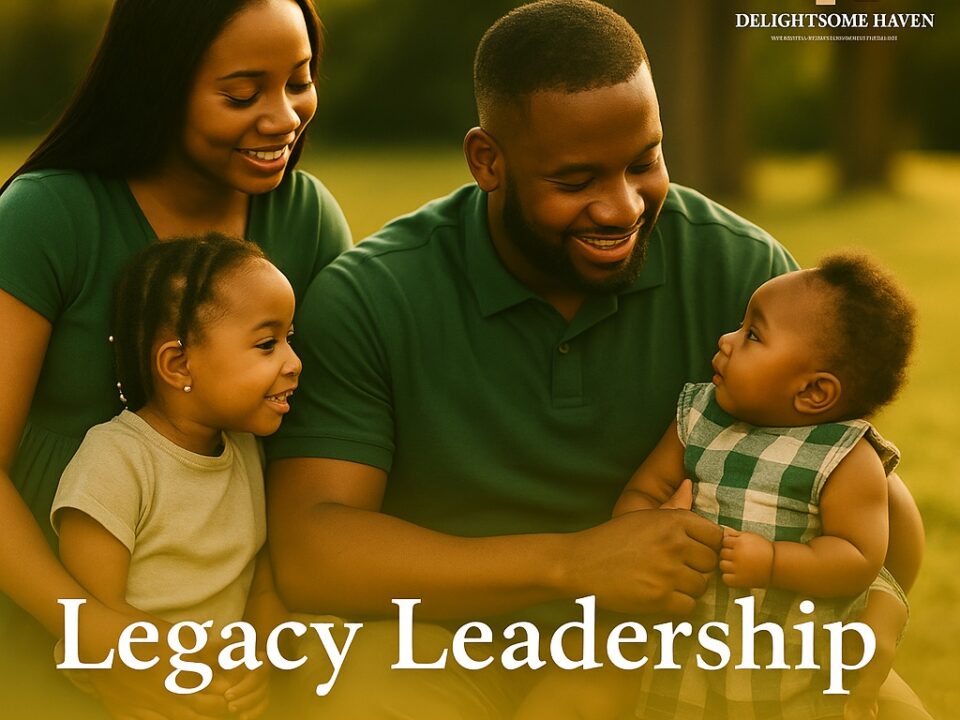
LEGACY LEADERSHIP: When Your Marriage Inspires Your Children’s Future
August 13, 2025FIGHTING FAIR: Turning Every Disagreement into a Bridge Back to Love
People taught us to fear conflict. They asked us to avoid it, tiptoe around it, or win it at all costs. But the truth is, conflict is not the problem; it is how we handle it.
What if your disagreement with your partner could serve as a catalyst for deeper intimacy, strengthened trust, and a more resilient bond? That is not wishful thinking; it is a skill. And it can turn every “We’re not on the same page” into “We’re building a stronger page together.”
Conflict Isn’t the Problem—Disconnection Is
When two individuals choose to love, they also bring their differences into the relationship. With different histories, personalities, beliefs, and emotional wiring, it is only inevitable that sparks will fly. The danger is not the disagreement itself. The danger is how we handle it. Avoiding it leaves wounds to fester, while attacking leaves scars long after the words are gone. However, engaging with respect, curiosity, and care can lead to positive outcomes. That builds a bridge that leads back to understanding, trust, and love.
Why Fighting Fair is Empowering
Fighting fair is not about pretending you are not hurt. Fighting fair does not involve surrendering to maintain harmony. It involves maintaining both honesty and compassion simultaneously.
When you fight fair:
- You speak your truth without silencing your partner.
- You show that your relationship can hold honesty without falling apart.
- You strengthen the foundation because you choose repair over resentment.
- You free yourself from the weight of unspoken pain and passive-aggressive walls.
- You become co-creators of solutions with your partner instead of opponents in a battle.
The 3 Shifts That Turn Conflict into Connection
1. From “Winning” to “Understanding”: If you are trying to win, someone has to lose. And in love, when your partner loses, so do you. Instead, step into the fight to see their heart, even if you disagree with their perspective.
Ask, “Help me understand what this battle means to you.”
2. From “Reacting” to “Responding”: Our first impulse is rarely our best. Fighting fair means slowing down, breathing, and giving yourself the gift of choice before you speak. A beneficial pause can save a relationship from unnecessary wounds.
Ask yourself, “What’s the most loving way to say this truth?”
3. From “Me vs. You” to “Us vs. the Problem”: When you see the issue as the enemy and not each other, you can fight on the same side. A shift in your approach transforms your tone, body language, and willingness to compromise. You might say:
“This problem isn’t bigger than our love.”
Practical Tools for Fighting Fair
- Use the 6-Second Pause Rule: Give yourself a full breath before you respond to avoid saying what you can’t unsay.
- Speak to be Heard: Use “I” statements to express feelings without assigning blame.
- Take Time-Outs: If emotions run high, agree to step back and return when you’re calmer.
- Return for Repair: Never leave a disagreement hanging. Always return to finish the conversation and rebuild trust.
The Beautiful Truth
Every disagreement is an opportunity wrapped in discomfort. Handled well, it says, “I choose you, even when it’s difficult. I will stay at the table. I will listen. I will rebuild with you.”
Lasting love does not grow because you never fight. It grows because you learn to fight for each other. The reason for its growth isn’t the absence of conflict, but the ability to stand up for each other. And in that space, every conflict becomes a bridge. It serves as a bridge that leads back to mutual understanding. It serves as a bridge that leads back to trust. This is a bridge that leads back to love.
PONDER
What is one thing you can do differently in your next disagreement to turn it into a bridge instead of a wall?
Share your thoughts; I would love to hear from you.